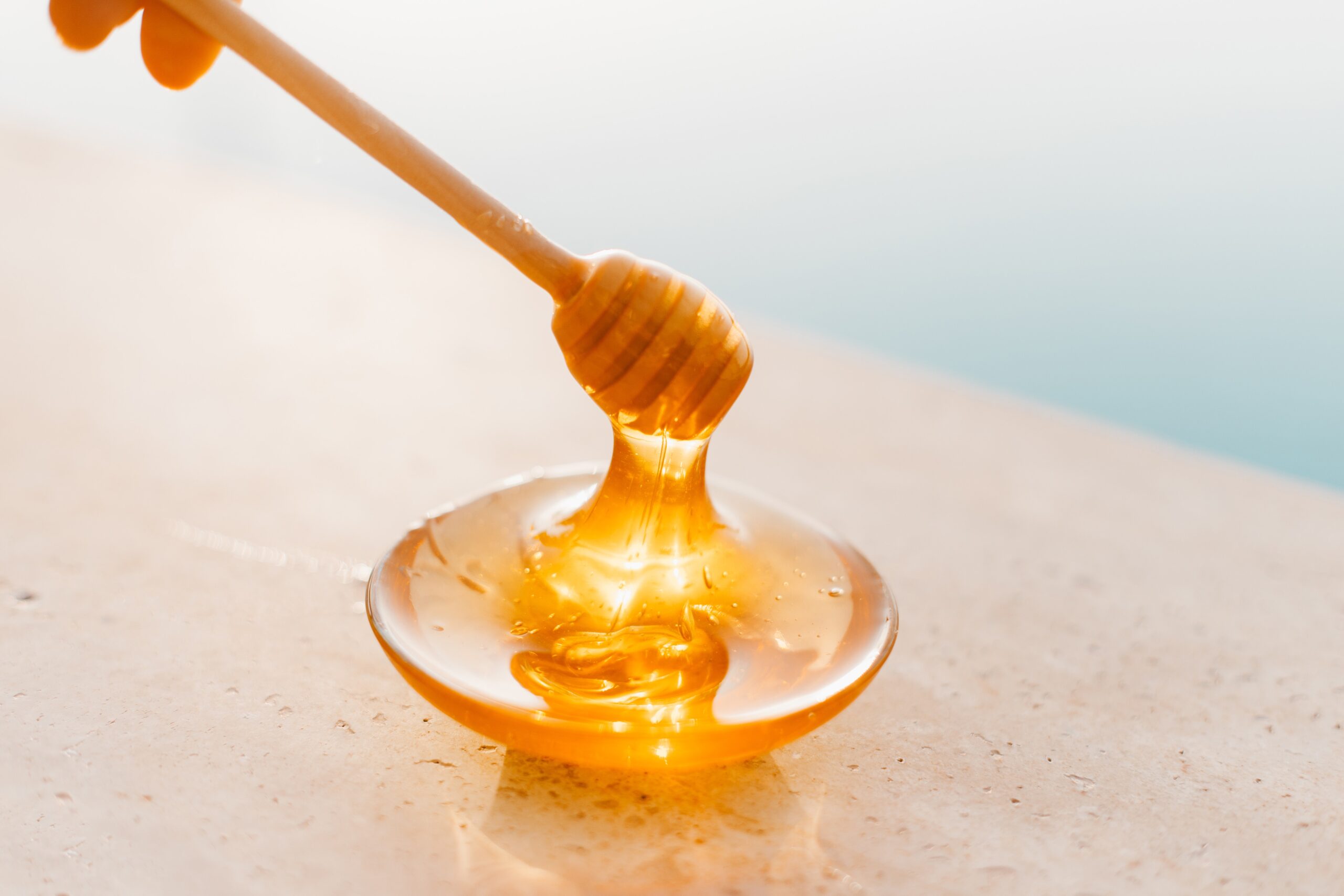
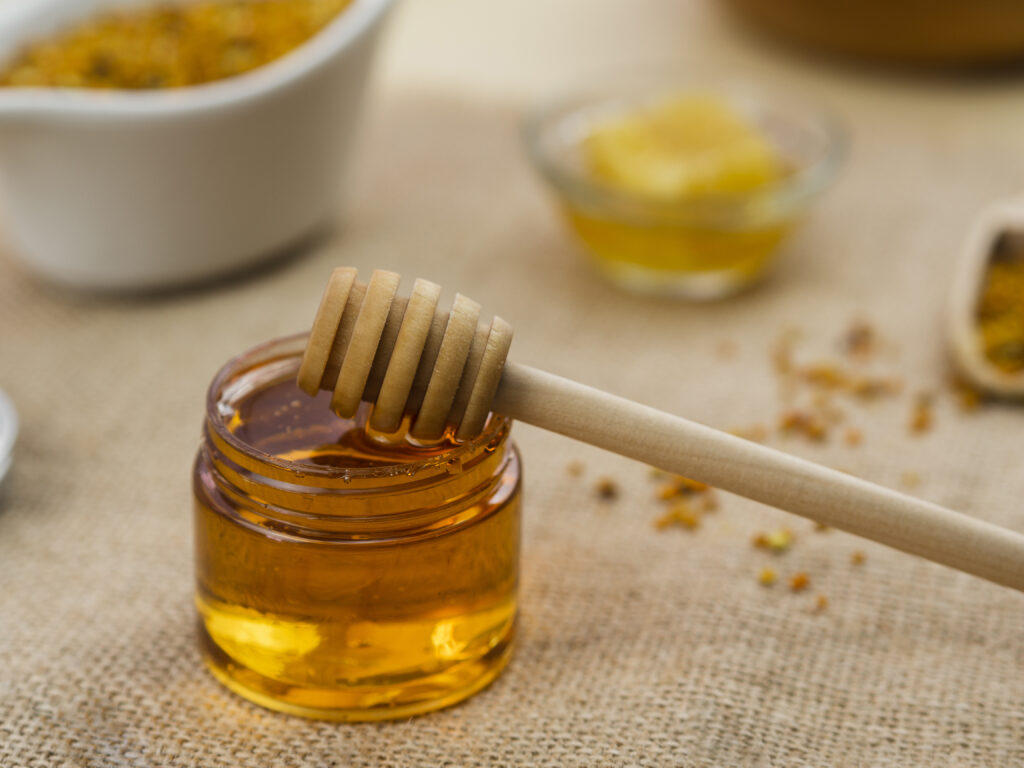
Honey is a sweet, viscous liquid made by bees from plant nectar. Although it is often used as a food sweetener, it should be avoided by infants. Certain bacteria and fungi may be killed by the compounds in honey. Honey, when applied to the skin, may act as a moisture barrier, preventing skin from adhering to wound dressings. It may also contain nutrients and substances that help wounds heal faster. However, throughout the processing process, honey can be contaminated with bacteria. Botulism has been reported in newborns who have taken honey by mouth.
HOW CAN WE SELECT ORGANIC HONEY?
Because bees, as you surely know, fly, it’s nearly difficult for any honey producer to ensure that their honey is organic. Although the custodian of the bee has a farm full of flowers and plants cultivated organically, there is no way of knowing if his bees crossed his property line to get nectar from a non-organic plant. Buying organic honey has no drawbacks, and the quality is likely to be superior to store-bought honey. Honey’s texture, sweetness, and medicinal/healing qualities are all affected by the flowers it originates from. Some honey is moderate, while others have a rich taste .While others are the most delicious straight from the jar. Some are better for wound healing or infection prevention, while others are better for high blood pressure or sore throat treatment.
BENEFITS OF HONEY.
TREAT QUICKLY COUGH.
Because of its antibacterial and anti-inflammatory qualities, honey is supposed to help with cough relief. It’s also been stated that the thick viscosity of the substance coats the throat, providing a relaxing effect. HOW CAN WE USE HONEY? Add 200 g (tsp) honey in boiling water or herbal tea to relieve a cough. Once or twice a day, this mixture should be consumed.
IMPROVES SLEEP WITHOUT SLEEPING PILLS.
Are you awake all night staring at the ceiling fan, turning it on and off? Thus, congratulations, your difficulty has been resolved; Honey releases serotonin, a mood-enhancing neurotransmitter that the body converts to melatonin, a hormone that regulates sleep. A molecule that controls the length and quality of sleep).
HELPS TO CLEAR WOUNDS.
When applied to wounds, honey is primarily made up of glucose and fructose, both of which absorb water. It promotes healing and can be used as a natural first aid treatment for wounds, burns, and cuts. Honey’s antibacterial qualities help keep exterior wounds free of infection by inhibiting the growth of certain germs. It works as an anti-inflammatory, reducing swelling, pain, and even scarring.
HELLO, SMOOTH SKIN.
Honey is a great moisturizer and can be used to treat dry skin spots. It could be used to soften knees and elbows, as well as chapped lips. Simply put some honey over your face during the cold winter months and wash it off after 30 minutes. By simply adding sugar to the mixture, you may make a hydrating scrub. It functions as a natural exfoliants. Honey’s potent antioxidant, anti-inflammatory, and ultra-moisturizing characteristics will improve your skin.
Side effects of honey.
Breathing problem.
Botulism can induce vomiting, difficulty breathing, and paralysis, and it is potentially fatal. It is spread mostly through contaminated soil and food. Botulism spores may be present in honey.
Stomach problem.
Stomach pains and bloating are not good for our health and are typically caused by digestive system issues. Eating too much honey might harm our digestive system, causing gas, bloating, and stomach issues. Honey overdose can produce stomach cramps, diarrhea, and sometimes even constipation.
Dental problem
Honey is not healthy for your dental health if you consume too much of it. Too much honey eats away the tooth structure, making them weaker. It also causes discoloration on your teeth, which may not be attractive. Honey is slightly acidic, which may increase the risk of dental cavities. Brushing your teeth on a regular basis is essential for good oral hygiene.